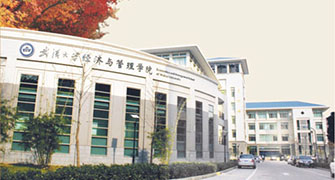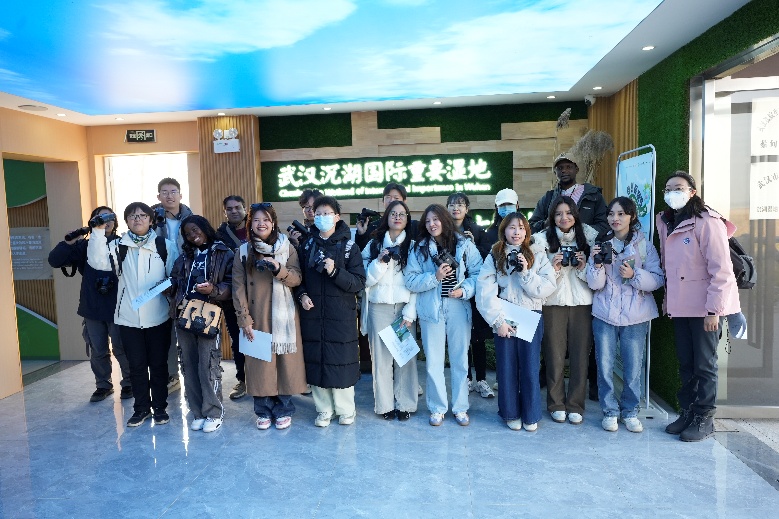
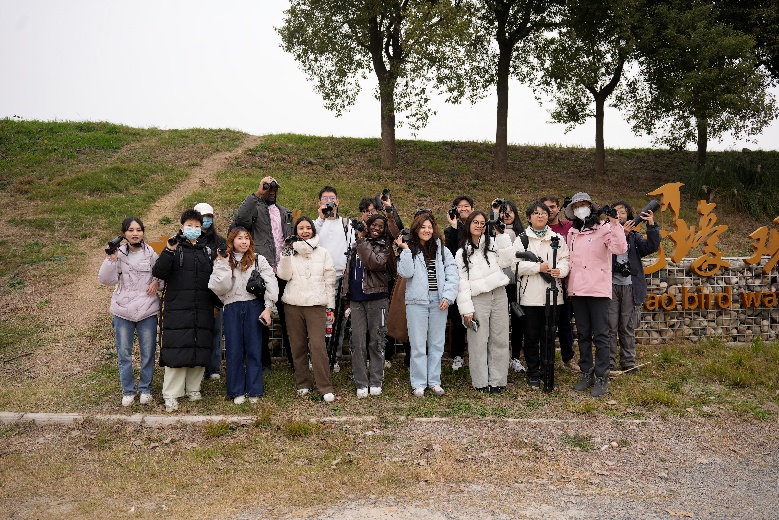
On December 7th, Chinese and international students from the Master of International Business (MIB) program at Wuhan University, led by Professor Guo Lin from the School of Economics and Management and Professor Wang Chen from the School of Life Sciences, gathered at the Chenhu International Important Wetland for a distinctive thematic activity: “Wings of Ecology: Birdwatching and Global Dialogue on Sustainable Development.”
Chenhu Classroom: An Immersive Encounter with Global Ecological Issues
“Chenhu Wetland is not only a home for birds but also a living example of global ecological governance,” introduced Professor Guo Lin. “We chose this venue for international exchange precisely because of its international status and unique value in global conservation topics. It is both a natural treasury and an ideal setting for dialogue between international business and sustainable development.”
Inside the Chenhu Science Exhibition Hall, students were captivated by diverse bird egg specimens and vivid introductions to avian habitats. As a popular science documentary played, the wetland's journey from ecological restoration to species proliferation unfolded before their eyes. As the only megacity (population over 10 million) certified as an “International Wetland City,” Wuhan’s ecological achievements left the students deeply impressed. At that moment, theoretical knowledge seamlessly connected with real-world scenes, solidifying the foundation for the upcoming field observation through immersive learning.
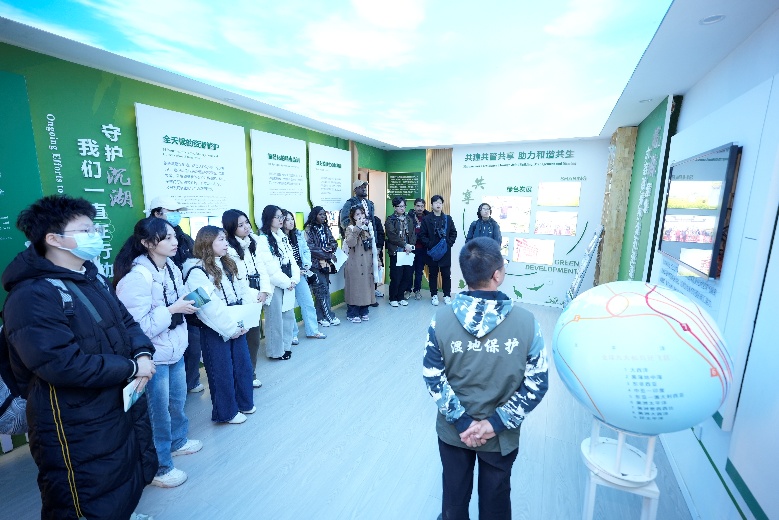
“When I saw those rare birds, I realized we are protecting not just the birds, but the future of the entire ecosystem,” remarked students from Southeast Asia. “Chenhu has shown me China's efforts and accomplishments in global ecological conservation.”
Interdisciplinary Integration: From Birdwatching to Global Business Models
After the theoretical session, students began field observation in groups. At the first observation point, equipped with binoculars and sharing two high-magnification spotting scopes, they witnessed various nationally protected birds in their wetland habitat: the graceful Siberian Crane feeding, the Baer’s Pochard playing in the water, the Grey Heron gliding over the surface, and flocks of Tundra Swans resting on the shoals—a vibrant wetland panorama gradually unfolding.
Yet this was more than a birdwatching tour; it was an interdisciplinary meeting of minds. Walking to the second observation site, students exchanged insights and engaged in lively discussions on “how to balance economic development with wetland conservation.”
“We discussed how to integrate ESG principles into international business practice,” explained Professor Wang Chen. “For example, by observing bird migration routes, students considered how to balance ecological protection with economic development in transnational business site selection, and how to manage ecological risks to the sustainability of international business.”
“I never imagined birdwatching could be so closely linked to international business,” shared a student from Africa. “This made me realize that as future international business professionals, we must not only focus on economic benefits but also shoulder the responsibility of ecological protection.”
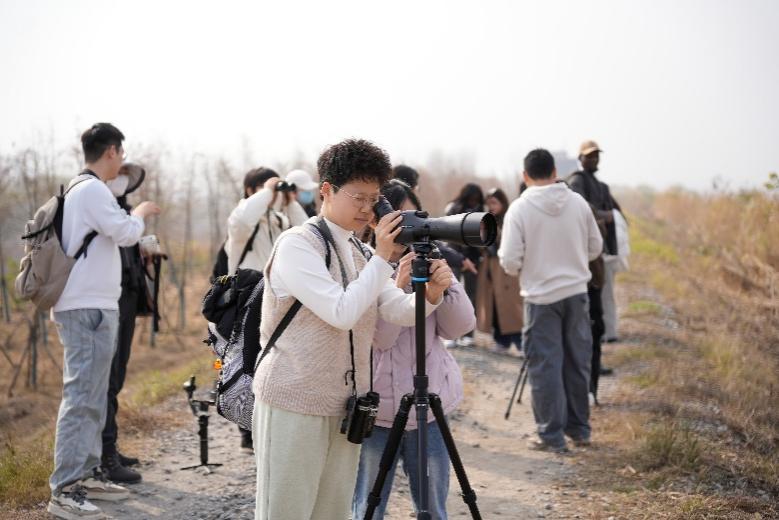
International Exchange: Multicultural Perspectives Ignite Sparks for Sustainability
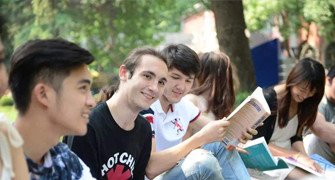
The activity brought together students from China, Indonesia, Thailand, Bangladesh, Nepal, Vietnam, Sierra Leone, Guinea, Pakistan, and other countries. They communicated in English and Chinese, sharing ecological protection experiences and challenges from their respective nations.
“In our group, students from different countries discussed how to achieve sustainable development globally from their unique cultural perspectives,” said a Chinese student. “This cross-cultural exchange revealed so many more possibilities to us.”
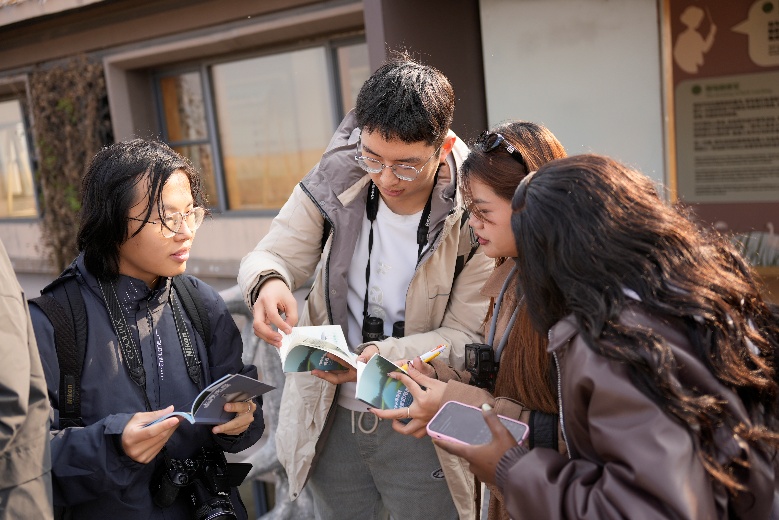
“This is a truly international classroom,” summarized Professor Guo Lin. “Through birdwatching, we not only allowed students to experience the beauty and fragility of natural ecosystems but also helped them forge a consensus on sustainable development through cross-cultural exchange.”
A Global Window: The International Ecological Demonstration Effect of China's Wetlands
This activity was not only an in-depth experience of Chenhu's ecological value but also a vivid demonstration of China’s modernization achievements from a global perspective. “The successful conservation experience of Chenhu Wetland is a contribution of Chinese wisdom to global green development solutions,” stated Professor Wang Chen. “Through this activity, we hope students can integrate China’s experience with an international vision to contribute greater strength to global sustainable development.”
This event represents an innovative practice by the Wuhan University MIB program in deeply integrating the concept of sustainable development with cross-cultural education. It not only allowed Chinese and international students to witness China’s achievements in biodiversity conservation but also enhanced their sensitivity and motivation towards sustainable development, laying a solid foundation for cultivating international business talents with global vision, ecological responsibility, and cross-cultural collaboration skills.
Moving forward, the Wuhan University MIB program will continue to explore more immersive, interdisciplinary, and international educational models, empowering students to become promoters and builders of global sustainable development.
Editor: Shuyu YAN
Reviewer: Jiaxi LIU

 Faculty and Staff
 Academics
 International Exchange